WELCOME!
After many years creating layouts, dioramas, scale models, accessories, electronic circuits, etc. for my personal use in my hobby, people appreciating the quality of my products started asking me if they could purchase them from me.
This is how it all started and now I'm proud to say that my creations are somewhere in the world, in a collector's showcase or on a beautiful layout
And nowaday as before, my creations are developed on a completely artisanal process, aimed to the realization of small series productions or to dedicated orders on request.
Please browse my available models at the following link. You can order simply by writing an email to me.

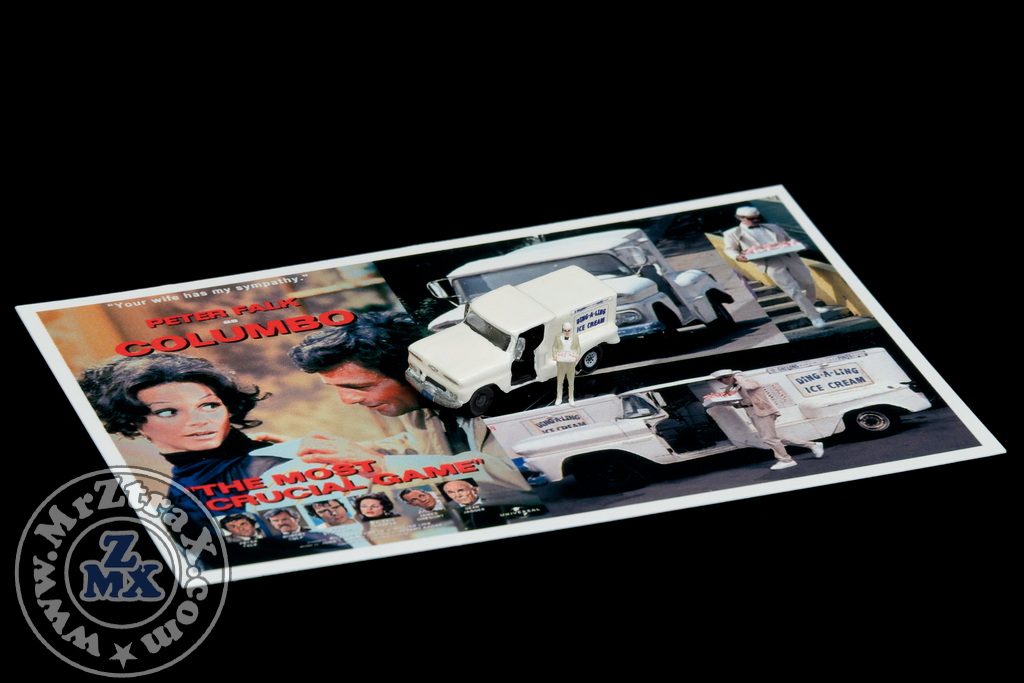
Chevrolet Apache C-10 (1960-1961)
The Chevrolet Apache C-10 was a protagonist in the Colombo episode "The most Crucial Game". As I like Liut. Colombo and I like old vehicles, it was quite natural to reproduce this typical Ice-cream truck with its driver (and killer) starred by Robert Culp, one of the best Colombo's villain ever!
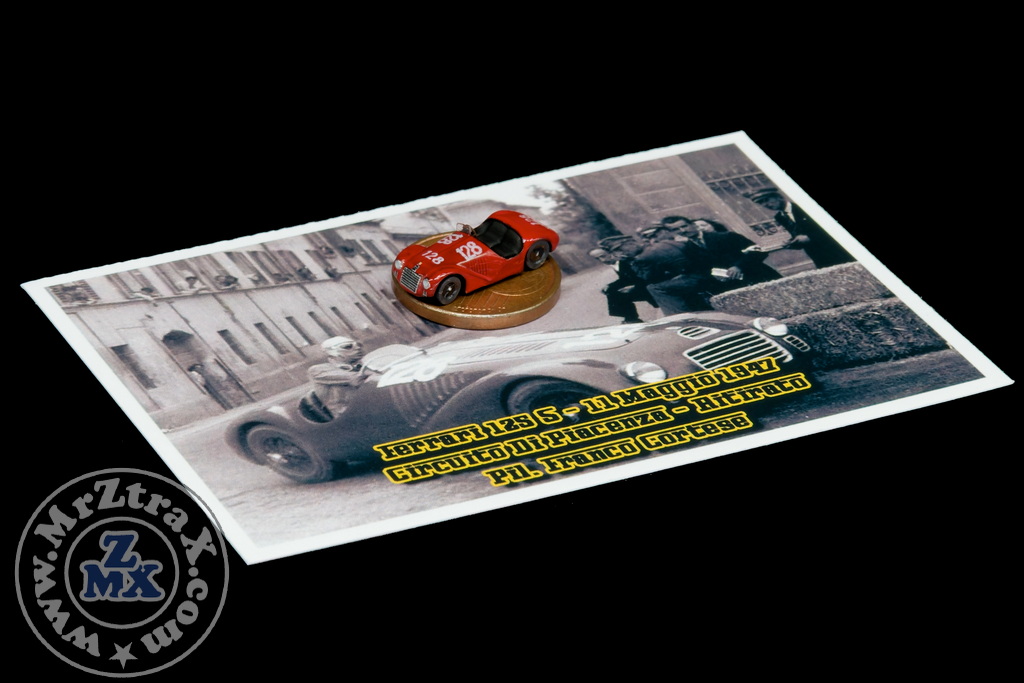
Ferrari 125 S (1947)
The Ferrari 125 S (1947) is the legendary pioneer that birthed a racing dynasty. As the first car to bear Enzo Ferrari’s name, it featured a revolutionary 1.5-liter V12 engine designed by Gioacchino Colombo, producing 118 horsepower.
Despite an unsuccessful debut at the Piacenza Circuit, it secured Ferrari’s first victory just two weeks later at the Rome Grand Prix. With its steel tube chassis and iconic red bodywork, the 125 S established the high-revving DNA and competitive spirit that define the Prancing Horse today. Only two examples were ever built. Truly, the spark of a legend.
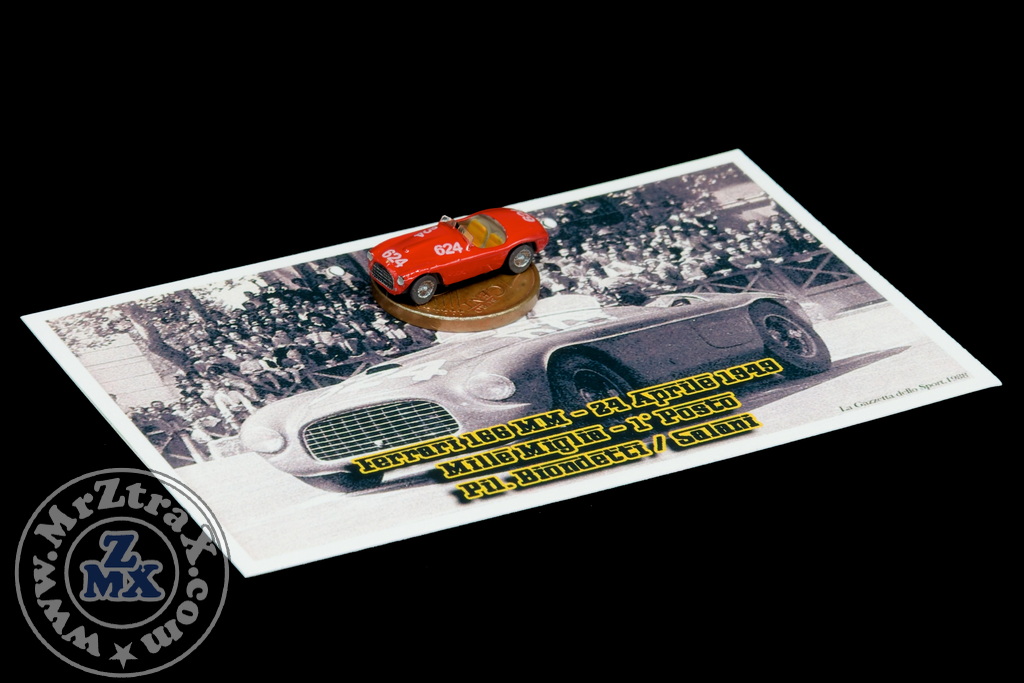
Ferrari 166 MM (1949)
The 1949 Ferrari 166 MM is the legendary machine that launched Maranello’s global fame. Named after the Mille Miglia, it featured the iconic "Barchetta" body by Touring Superleggera—a design so sleek it earned the nickname "little boat."
Powered by a 2.0-liter Colombo V12 engine, it delivered roughly 140 hp with remarkable agility. In 1949, it achieved the ultimate racing double: winning both the Mille Miglia and the 24 Hours of Le Mans. Elegant yet fierce, the 166 MM remains the definitive blueprint for Ferrari’s early competitive spirit. Pure automotive art.
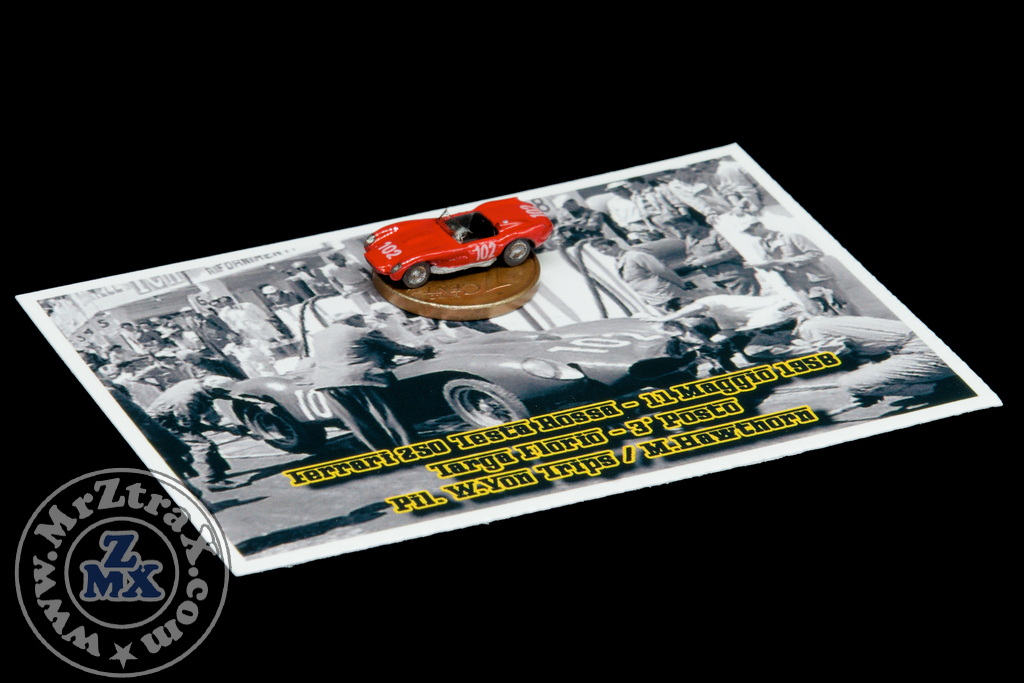
Ferrari 250 Testa Rossa (1957)
The 1957 Ferrari 250 Testa Rossa is a masterpiece of speed and sculptural beauty. Its name, "Red Head," celebrates the iconic crimson cylinder heads of its 3.0-liter V12 engine.
Most famous for Scaglietti’s "pontoon fender" bodywork—designed to improve airflow and cool the drum brakes—it was a dominant force in endurance racing, securing multiple Le Mans victories. Beyond its track success, the 250 TR is a holy grail for collectors, blending raw mechanical power with an unforgettable silhouette. It remains one of the most valuable and breathtaking Ferraris ever built.
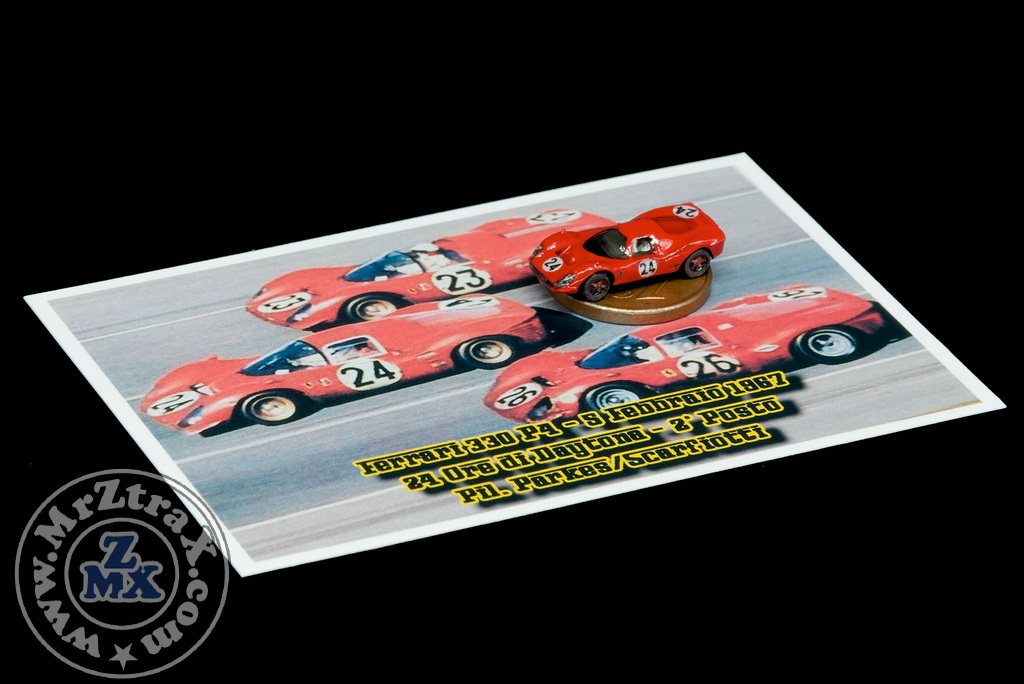
Ferrari 330 P4 (1967)
The Ferrari 330 P4 is widely regarded as the most beautiful race car ever built. Powered by a 450-hp V12 engine, it was Enzo Ferrari’s ultimate weapon for the 1967 season.
Its defining moment came at the 24 Hours of Daytona, where Ferrari orchestrated a legendary revenge against Ford. In a choreographed display of dominance, two P4s and a P3/4 crossed the finish line side-by-side, securing a historic 1-2-3 finish. This "tripletta" remains one of motorsport's most iconic images, blending technical mastery with unmatched aesthetic grace.
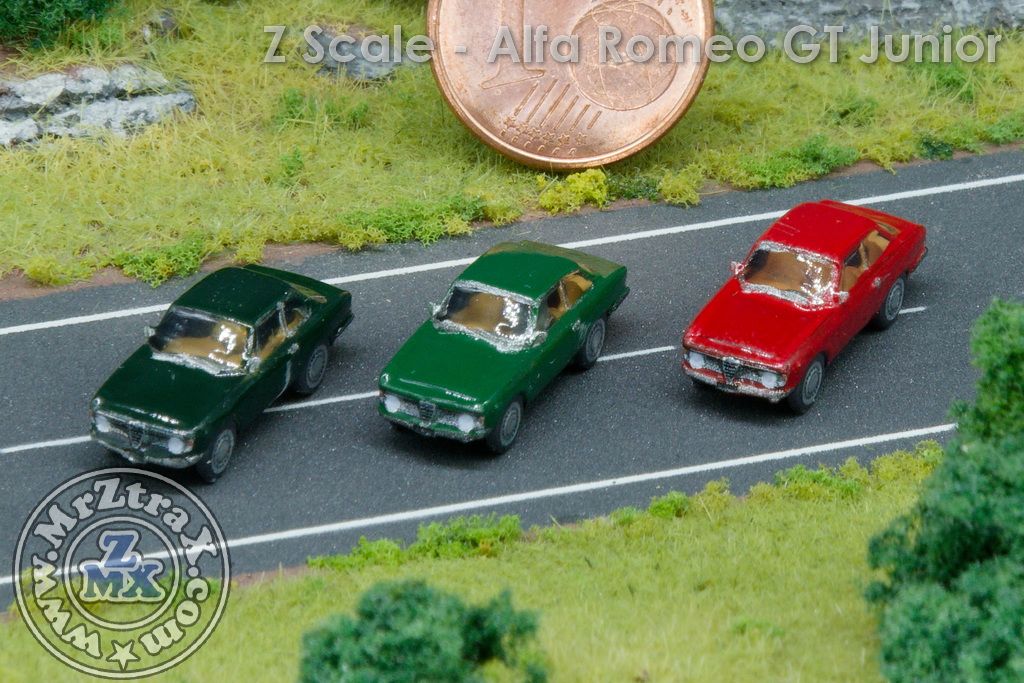
Alfa Romeo GT Junior (Scalino) (1966-71)
The Alfa Romeo GT 1300 Junior (Scalino) was introduced in 1966, designed by Giorgetto Giugiaro at Bertone.
It was the entry-level model of the 105 Series, featuring a lightweight body and a potent 1290 cc twin-cam engine, offering true Alfa Romeo performance. Its distinctive feature, the 'scalino' on the bonnet where it met the front grille, makes models the most coveted among collectors. The car offered advanced features for its time, including a five-speed gearbox and all-round disc brakes, making it a revered classic sports car.
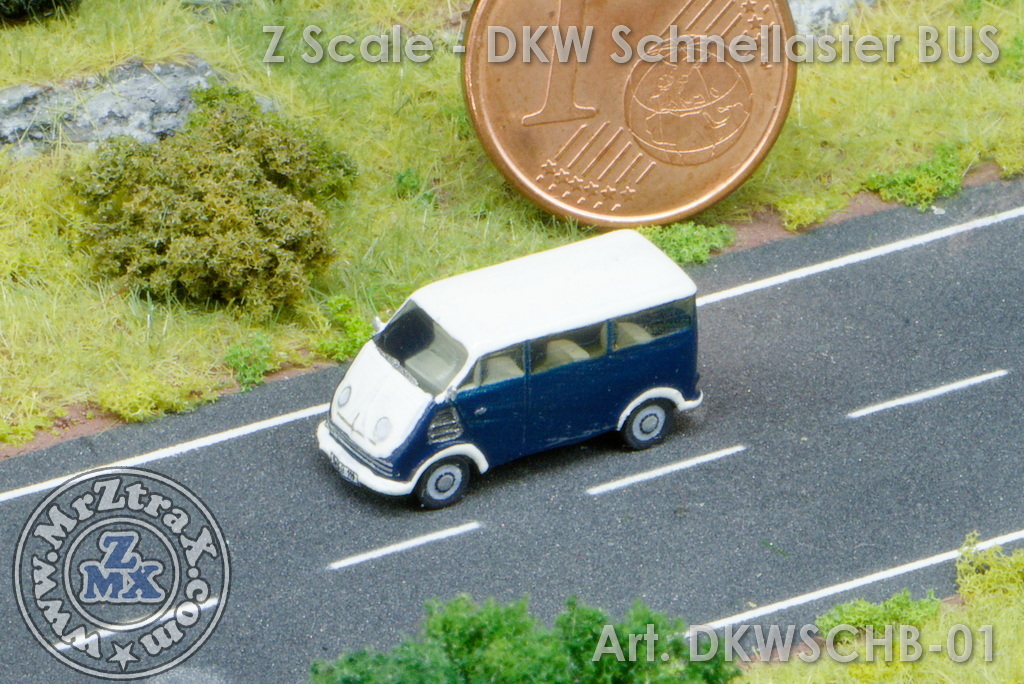
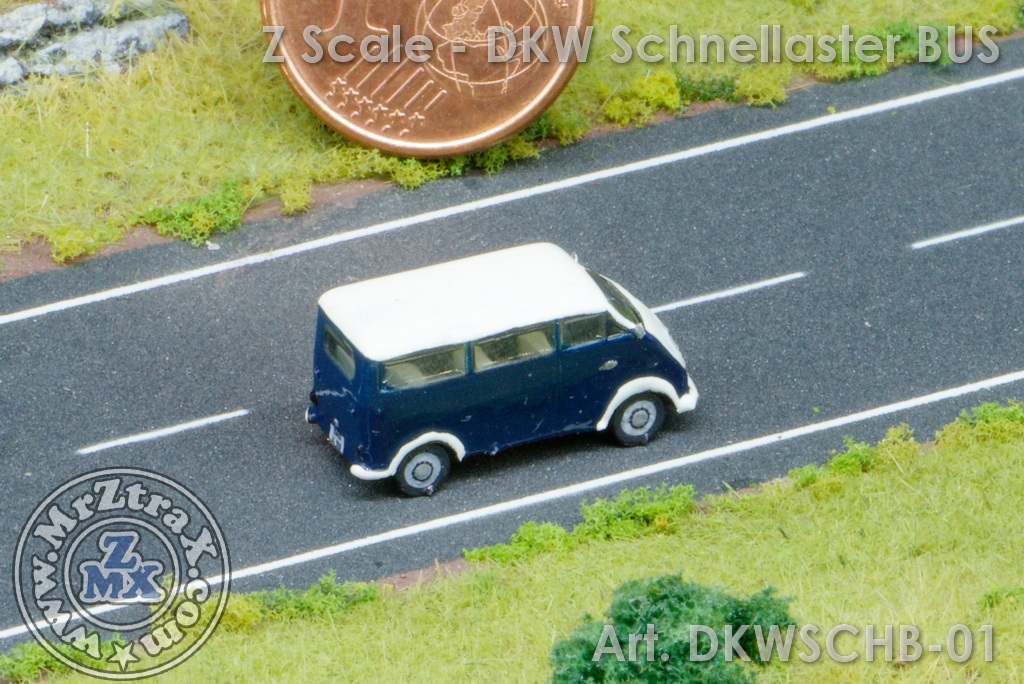
DKW Schnellaster (1949-1962)
The DKW Schnellaster, a pioneering light commercial vehicle from Auto Union (1949-1962), was innovative for its front-wheel drive and transverse engine. This design allowed for an exceptionally low and spacious loading floor. Powered by a two-stroke engine, it was valued for its economy, agility, and robustness, proving versatile for urban deliveries, small businesses, and various public services.
My model has so many detail, full interior even with the driver. License plates from 1956 on.
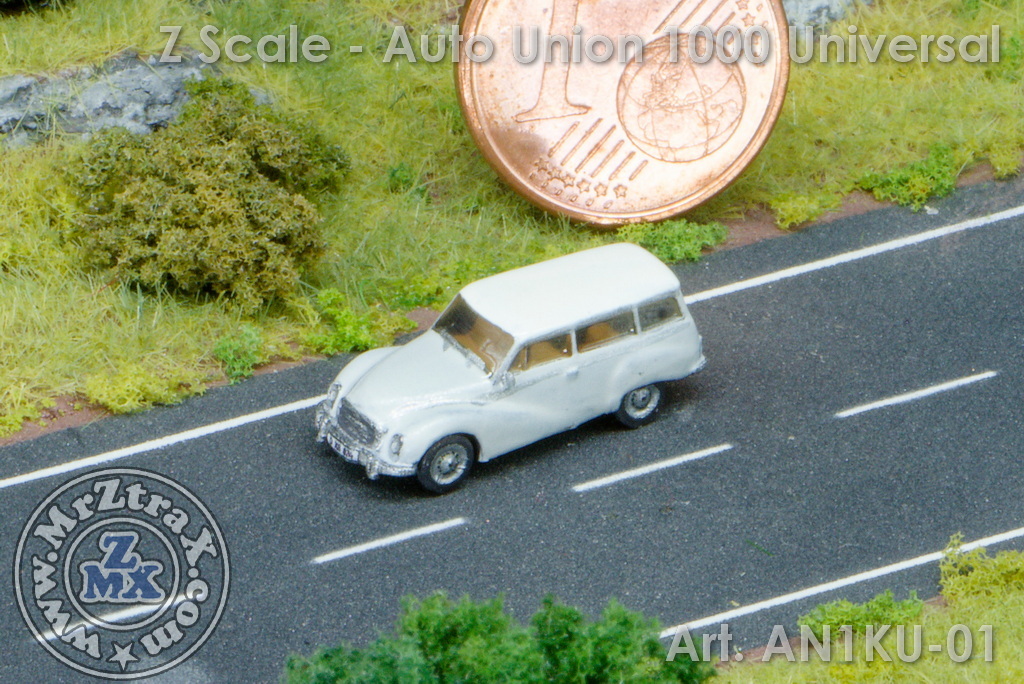
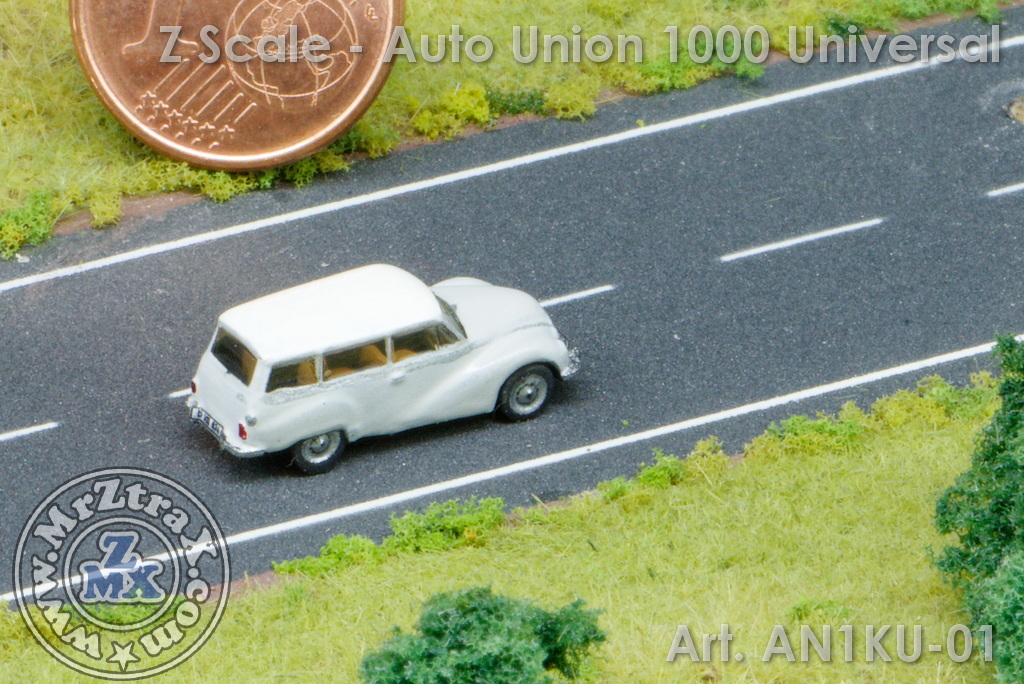
Auto Union 1000 Universal (1958-61)
The Auto Union 1000 Universal was an estate car variant of the Auto Union 1000, produced from 1958 to 1965. It featured a larger 981cc, three-cylinder, two-stroke engine and front-wheel drive. Valued for its practical and spacious interior, the Universal was a popular choice for families and businesses, building on DKW's reputation for robust and unconventional engineering.
My model has so many detail, full interior even with the driver.
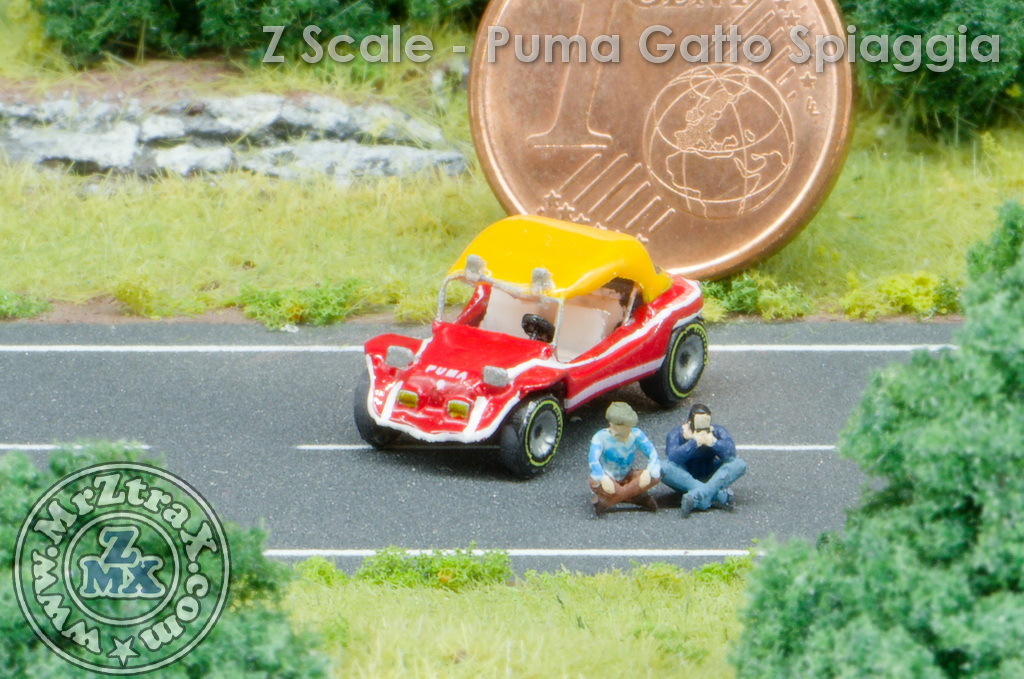
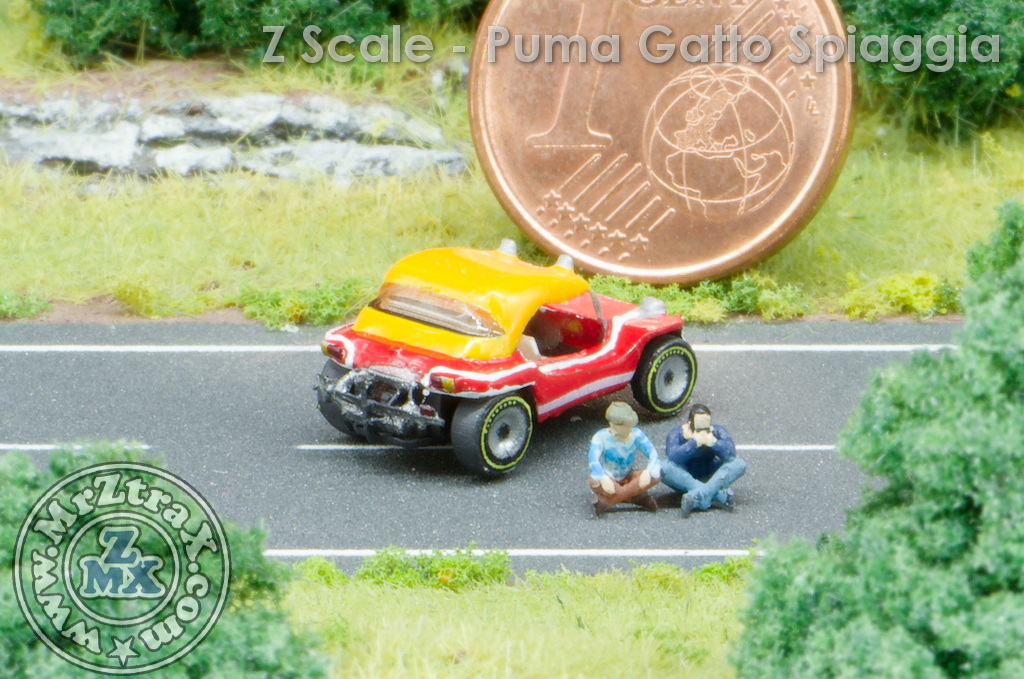
Puma Gatto Spiaggia (1974)
One of the most iconic cars in the 70s filmography is certainly the Puma Gatto Spiaggia driven by Bud Spencer and Terence Hill in the movie "...Altrimenti ci arrabbiamo!"
This italian made dune buggy was inspired by the Mayer Manx Deserter, on a Volkswagen Beetle chassis with the original Beetle air-cooled engine of 1192 cm³, covered with a body made of fiberglass panels.
This model INCLUDES the Bud & Terence figures, for a complete display set.
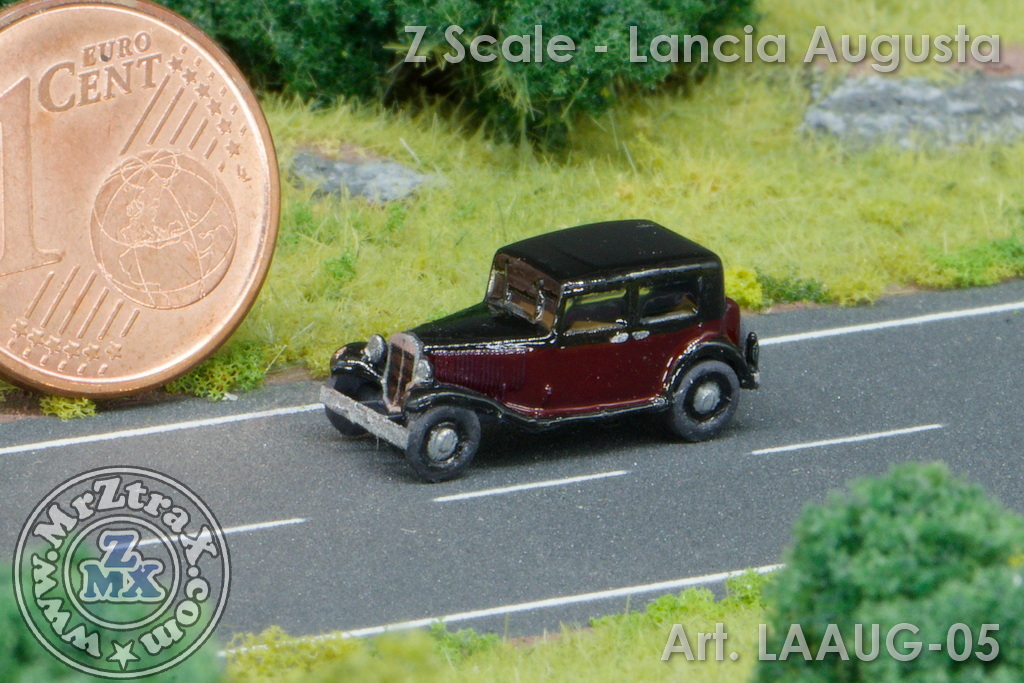
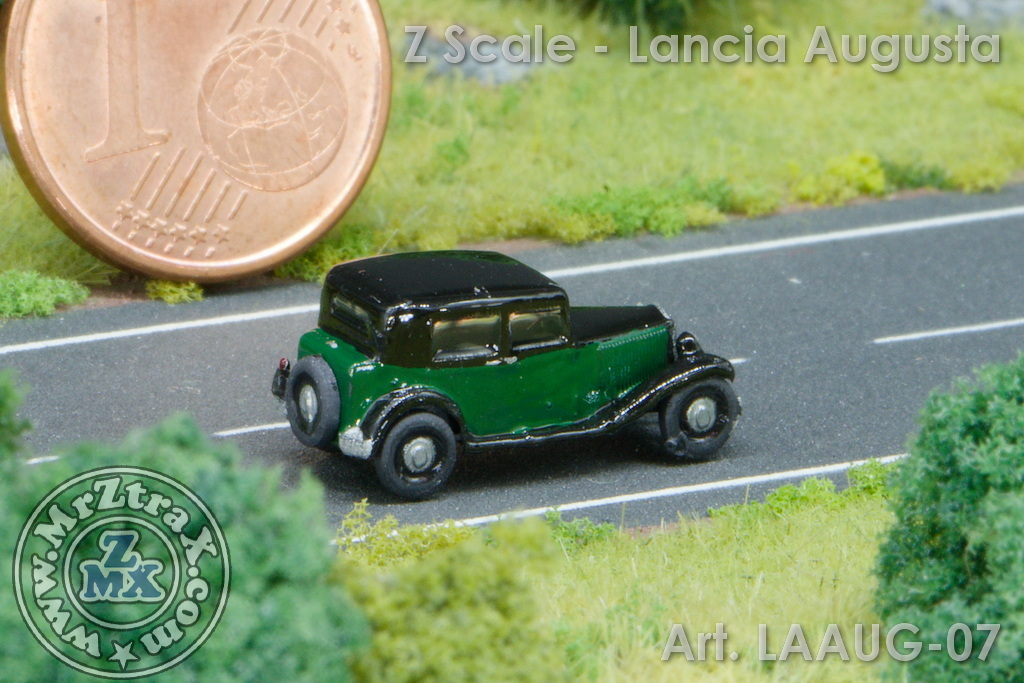
Lancia Augusta (1933-37)
The Lancia Augusta represents a significant example of Italian automotive engineering of the period. Characterized by an innovative load-bearing monocoque, a rarity for the time, the Augusta offered considerable structural rigidity to the benefit of road holding and ride comfort. Equipped with a 1197 cm³ V-four engine, it delivered adequate power for the needs of the bourgeois market to which it was aimed. The car stood out for its elegant and sober design, typical of Lancia style, and for advanced technical solutions that underlined its construction quality and attention to detail.
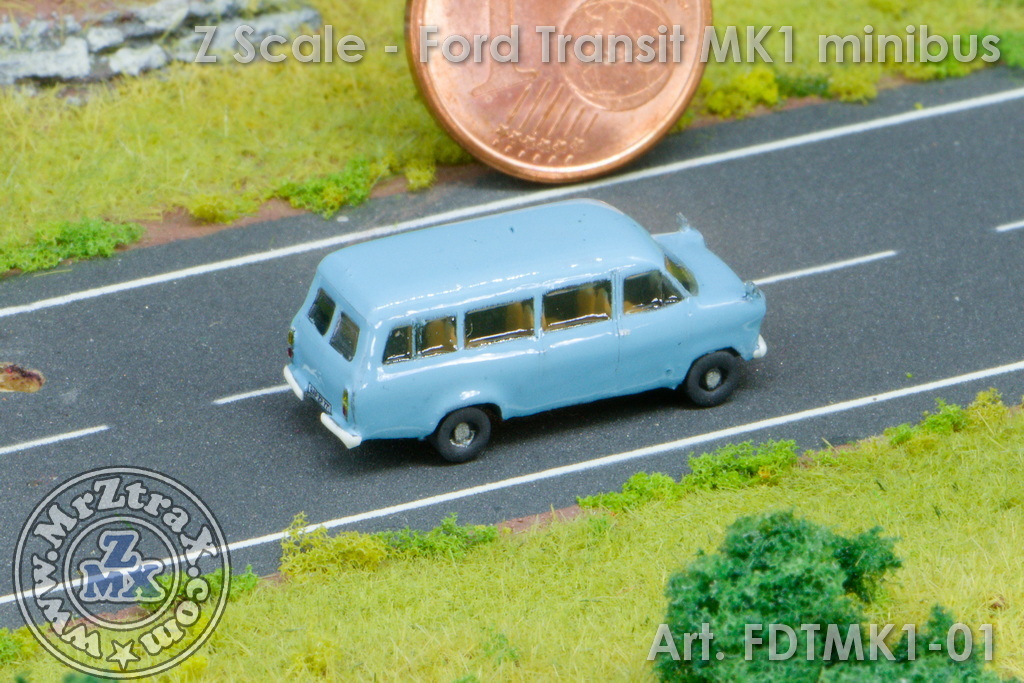
Ford Transit MK1 Minibus (1965-78)
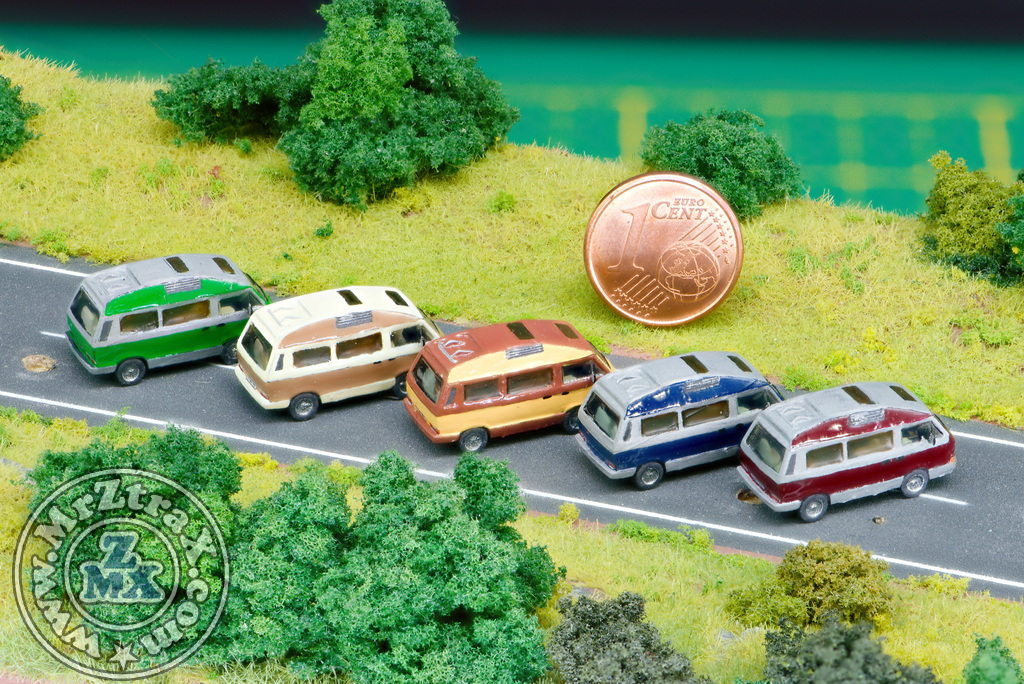
The Ford Transit Mk1 Minibus, introduced in 1965, was a significant variant of the iconic first-generation Transit van. It quickly became a staple for group transport due to its robust design and adaptable interior. Featuring ample seating capacity and a reliable engine range, it offered a practical and economical solution for schools, hotels, and shuttle services. Its enduring popularity solidified the Transit's reputation as a versatile workhorse across Europe and beyond.
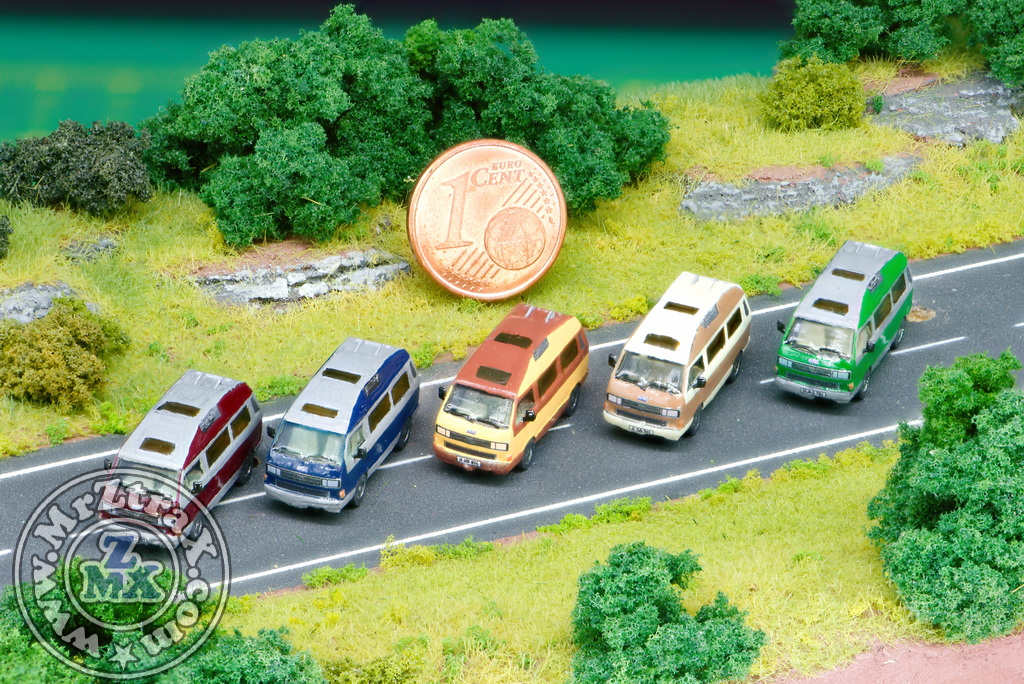
VW T3 Dehler Profi (1981-90)
The Dehler Profi T3 is a meticulously engineered camper van, born from the collaboration between Volkswagen and the renowned yacht builder, Dehler. Based on the sturdy T3 platform, it stands out with its clever, space-saving design and high-quality construction. Its most notable feature is the pop-up roof, which provides ample headroom and sleeping space for up to four people. Inside, the yacht-building influence is evident in the clever use of materials and the compact yet functional galley, complete with a stove, sink, and refrigerator. With its robust mechanics and thoughtful design, the Profi T3 remains a highly sought-after classic for enthusiasts of compact, reliable adventure vehicles.
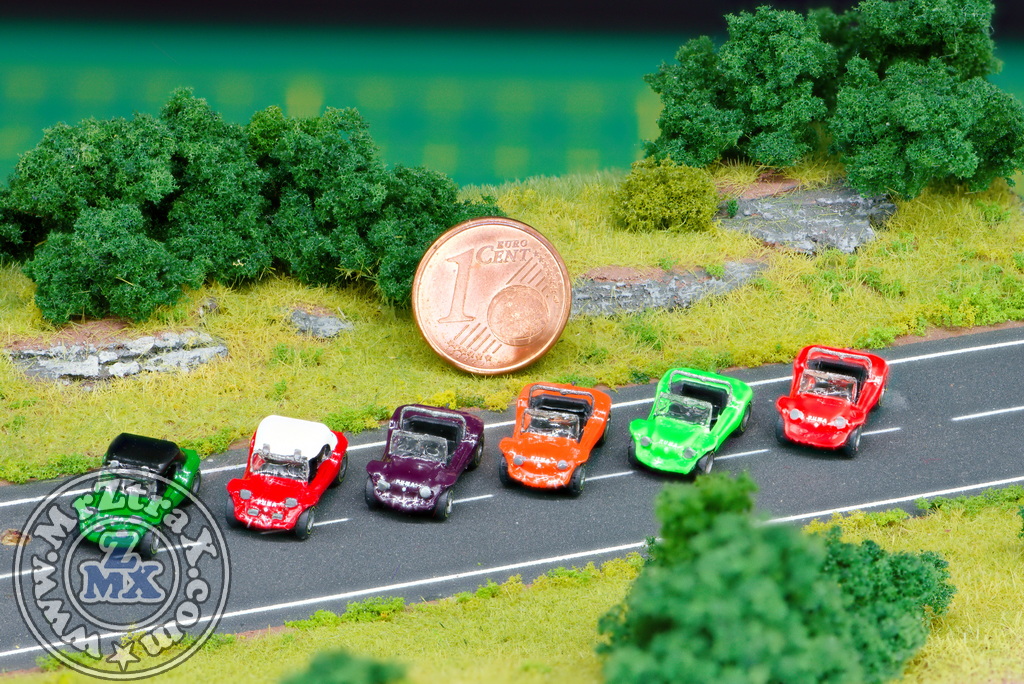
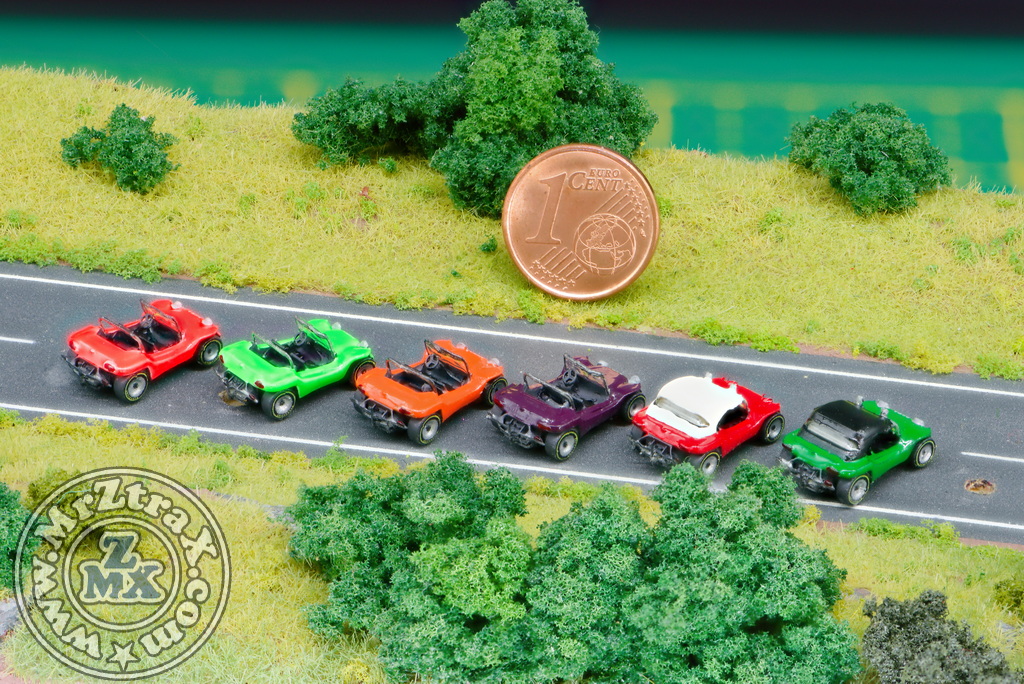
Puma Gatto Spiaggia (1974)
After the success of the Bud&Terence version, I developed two new models with new colors for both the version equipped with the roof and the open version.
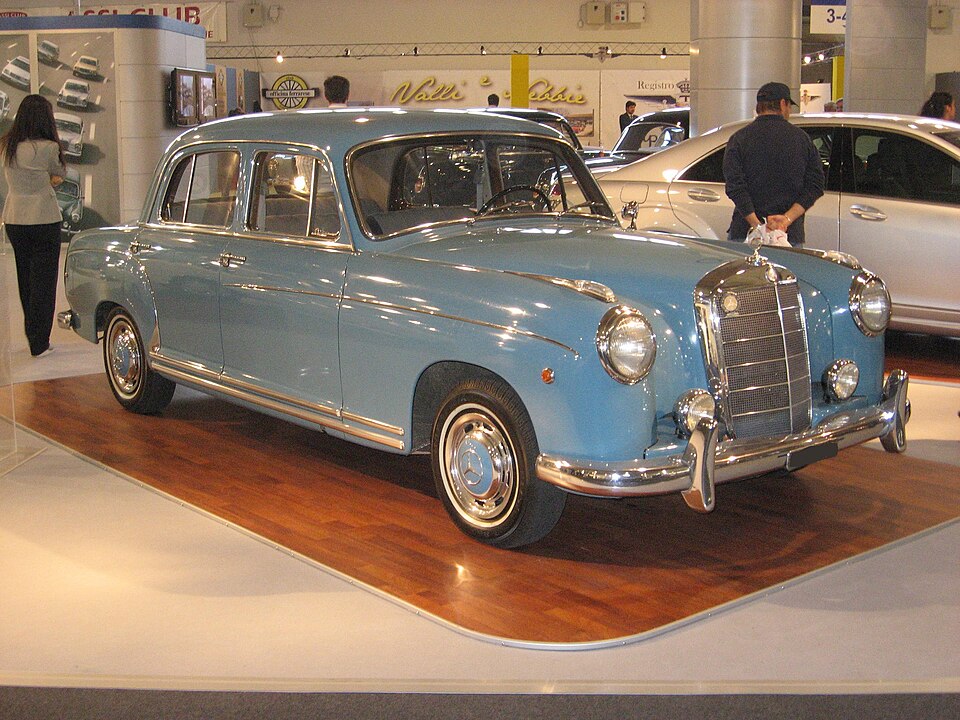
Mercedes-Benz 220 S (1954-60)
The Mercedes-Benz 220 S (W180), produced from 1954 to 1960, was a luxurious sedan famed for its elegant "Ponton" body style. Building on the W120/W121 platform, it featured a more powerful 2.2-liter inline-six engine. Renowned for its build quality, comfort, and refined driving experience, the 220 S was a sophisticated symbol of post-war German automotive excellence and a precursor to Mercedes' future luxury sedans.
(Luc106 - Opera propria, Pubblico dominio, https://commons.wikimedia.org/w/index.php?curid=6207199)